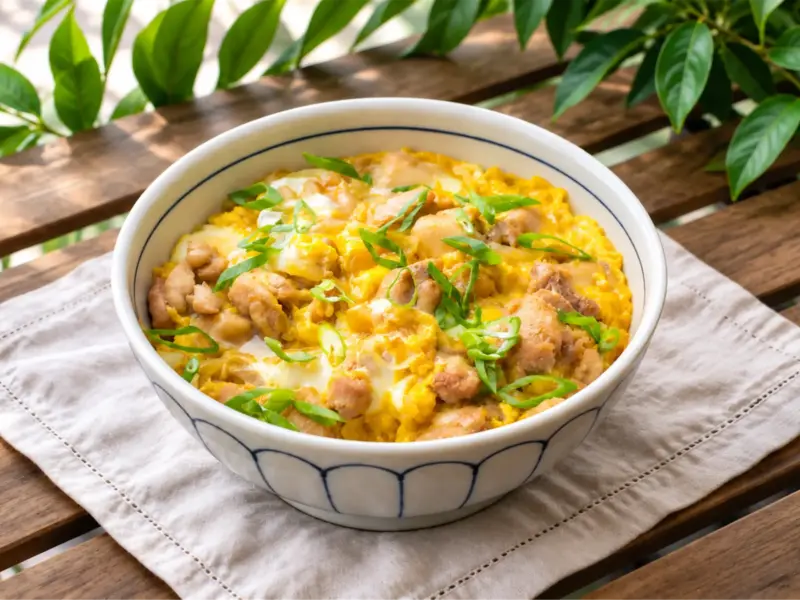
Chicken tinola is a Filipino chicken soup built around fresh ginger, tender vegetables, and a light, savory broth. This version uses bone-in thighs and drumsticks with chayote, the pale green squash also called sayote. The chicken gets a head start before the vegetables go in, so the meat softens without the chayote falling apart. Add the leafy greens at the end, and serve the soup with steamed rice.

The short answer
Sauté onion, ginger, and garlic, add 2½ lb bone-in chicken, then simmer gently in 6 cups water. Give the chicken about 25 minutes before adding ½-inch-thick chayote wedges for another 10 to 15 minutes. Check that the chicken reaches 165°F (74°C), following the USDA safe temperature chart, then finish with leafy greens and fish sauce to taste.
Jump to
What is chicken tinola?
Chicken tinola, or tinolang manok, is a Filipino soup of chicken, ginger, vegetables, and leafy greens. Green papaya and chayote are familiar vegetable choices; malunggay, also called moringa, and chili leaves are traditional greens. The broth tastes savory and gingery rather than sour or creamy.
Panlasang Pinoy’s tinola recipe describes chayote as an alternative to green papaya and spinach as a substitute for the traditional leaves. Here, chayote is the main vegetable, with its own cutting and cooking instructions. You do not need to track down green papaya to make this pot.
Ingredients for chicken tinola with chayote
Bone-in chicken, fresh ginger, chayote, and fish sauce provide the backbone of this recipe. Water keeps the broth light and lets you control the seasoning. Use unsalted chicken stock instead if you prefer a stronger chicken flavor.
For the chicken and broth
- 2½ lb (1.13 kg) bone-in chicken thighs and drumsticks, about 6 to 8 pieces
- 1 tablespoon neutral oil
- 1 medium yellow onion, thinly sliced
- 2 oz (55 g) fresh ginger, peeled and cut into thin matchsticks
- 4 garlic cloves, minced
- 1 tablespoon fish sauce, plus 1 to 2 teaspoons more to taste
- 6 cups (1.42 liters) water or unsalted chicken stock, plus extra hot water as needed
- ¼ teaspoon ground black pepper
- Salt, only if needed after tasting
For the vegetables
- 2 medium chayote, about 1 lb (450 g) total before trimming
- 2 loosely packed cups fresh malunggay leaves, tough stems removed, or 3 oz (85 g) baby spinach
To serve
- Steamed white rice
- Extra fish sauce, offered separately
- Calamansi or lime wedges, optional
Equipment: a 5- to 6-quart heavy pot with a lid, vegetable peeler, sharp knife, ladle, and instant-read thermometer. Use thawed chicken pieces of roughly similar size. Remove loose flaps of skin if you want less surface fat, but leaving some skin gives the broth more body.
Keep the ginger fresh rather than substituting ground ginger. Matchsticks distribute it throughout the soup and are easy to eat around. Fish sauces vary in saltiness, so reserve the extra teaspoons until the broth has finished simmering.
How to prepare chayote for the soup
Peel the chayote, halve it lengthwise, and cut it into wedges about ½ inch thick at the widest point. Length matters less than thickness: a thin wedge cooks faster than a chunky one even if both are 2 inches long. Uniform thickness gives you a more useful cooking cue than a vague instruction to cut it into pieces.
Wash the chayote first. Peel with a vegetable peeler, then place the flat cut side on the board before slicing. Remove the seed and surrounding core if they feel firm or fibrous; a young, tender seed is edible and can stay.
Peeled chayote can feel slippery and leave a tacky film on your hands. Food-safe gloves make handling easier. Finish the vegetable preparation before handling raw chicken, or wash the board and knife thoroughly between tasks.
How to make chicken tinola
Cook the aromatics and chicken first, simmer gently, then add chayote and greens in separate stages. Allow about 55 to 65 minutes at the stove, including bringing the pot to a simmer. Larger chicken pieces may need more time.
- Soften the onion and ginger. Heat the oil in the pot over medium heat. Add onion and ginger; cook 4 to 5 minutes, stirring, until the onion softens. Add garlic and cook 30 seconds. Keep the garlic pale.
- Add the chicken. Put the thighs and drumsticks into the pot. Cook 5 to 7 minutes, turning occasionally, until the outside changes color. You are building flavor in the aromatic oil, not aiming for a dark, crisp crust.
- Cook in the fish sauce. Add 1 tablespoon fish sauce and stir for about 1 minute. Pour in the water or unsalted stock and add the black pepper. Scrape up any light golden bits from the bottom.
- Bring to a gentle simmer. Raise the heat until bubbles appear, skim off surface foam, then lower the heat. Cover with the lid slightly ajar and simmer for about 25 minutes. The surface should move gently rather than churn.
- Add the chayote. Stir in the prepared wedges and simmer 10 to 15 minutes more. Start checking at 10 minutes: a thin knife should enter the thickest part with slight resistance, and the wedge should hold its shape.
- Check the chicken. Measure several pieces in their thickest meat, away from bone. Each must reach at least 165°F (74°C). If the chayote is ready first, lift it into a clean bowl while the chicken continues cooking, then return it to the soup.
- Finish the greens. Stir in fresh malunggay leaves and simmer 1 to 2 minutes, until tender. For baby spinach, stir it in just until wilted, about 30 to 60 seconds. Add a little hot water if the broth has reduced too far.
- Season and serve. Taste a spoonful after it cools slightly. Add the reserved fish sauce in 1-teaspoon increments, then salt only if needed. Ladle chicken, vegetables, and broth into bowls and serve with rice.
Watch chicken tinola being made
Panlasang Pinoy demonstrates the aromatic base and staged vegetable additions for chicken tinola. This version uses a chicken bouillon cube and both malunggay and chili leaves; the recipe above uses water or unsalted stock and one leafy green.
If the video does not load, watch it on YouTube.
When to add chayote and leafy greens
Add ½-inch-thick chayote wedges after the chicken has simmered for about 25 minutes, and add the greens when the chicken and chayote are ready. Those are starting points, not a substitute for checking tenderness and chicken temperature. A crowded pot, large drumsticks, or thicker wedges can extend the cooking time.
The practical trick is to check the chicken before committing the vegetables to the pot. If the largest pieces still feel firm and need a long simmer, give them another 5 to 10 minutes first. That adjustment is easier than trying to rescue chayote that has already gone soft.
Fixing bland broth, tough chicken, and mushy chayote
Check seasoning, simmering time, and vegetable thickness before changing the recipe. These three details explain most disappointing pots of tinola.
The broth tastes watery
Adjust the fish sauce a teaspoon at a time before adding more ingredients. If the broth is already salty enough, remove the cooked chicken and vegetables and simmer the broth uncovered briefly to concentrate it. Return everything once the flavor is balanced.
The chicken is cooked but still tough
Give bone-in dark meat more time at a gentle simmer if it has reached the safe temperature but remains firm. Safety and tenderness are different checks. Remove any vegetables that are already tender while the chicken continues cooking.
The chayote falls apart
Add it later or cut thicker wedges next time. For the current batch, stop stirring vigorously and ladle gently. Match the recipe’s ½-inch thickness before relying on its 10- to 15-minute window.
The broth looks cloudy or greasy
Lower the heat, skim the foam, and spoon off excess surface fat. A hard boil breaks up particles and disperses fat through the liquid. Slight cloudiness is a cosmetic issue; it does not mean the soup has failed.

What to serve with chicken tinola
Serve tinola as the main dish with steamed white rice and extra fish sauce on the side. Give each person a bowl with chicken, chayote, greens, and enough broth to spoon over the rice. Keep optional calamansi or lime at the table so each person can adjust their own bowl.
Start the rice while the chicken simmers. For another chicken-and-rice dinner later in the week, try oyakodon, which pairs chicken with softly cooked egg in a Japanese rice bowl.
How to store and reheat leftovers
Refrigerate tinola promptly in shallow containers and use it within 3 to 4 days. Follow USDA leftovers guidance: refrigerate within 2 hours, or 1 hour when the surrounding temperature is above 90°F (32°C), and keep the refrigerator at 40°F (4°C) or below. Do not leave a deep pot on the counter until it cools completely.
Reheat only the amount you need in a saucepan. Bring the soup to a rolling boil and check that the chicken reaches 165°F (74°C). Add a splash of water if needed, then fresh greens if you reserved them.
Freeze individual portions for about 2 months for better vegetable quality. The chicken and broth freeze well, but chayote becomes softer and spinach loses texture. Thaw in the refrigerator before reheating.
Questions about chicken tinola
Chayote, chicken cut, and leafy-green substitutions are the main choices to settle before cooking. Keep the ginger base and adjust each substitute’s cooking time.
Can I use boneless chicken?
Yes, boneless thighs work, but they need less simmering time than bone-in pieces. Cut them into roughly 2-inch chunks and begin checking after 12 to 15 minutes of simmering. Add chayote earlier and cook every piece of chicken to 165°F (74°C).
Can I use green papaya instead of chayote?
Yes, use firm, unripe green papaya, peeled and seeded. Cut into similar wedges and check tenderness as it cooks rather than assuming the chayote timing will match. Ripe orange papaya changes the flavor and softens too quickly for this version.
What can replace malunggay leaves?
Baby spinach is an accessible substitute; chili leaves are another traditional choice. Add spinach near the end and stop cooking as soon as it wilts. If using frozen malunggay, follow the package’s preparation and cooking instructions.
Can I make tinola without fish sauce?
Yes, use salt to taste and unsalted chicken stock for a fuller savory base. The result will lack fish sauce’s particular flavor but still have the ginger-and-chicken character. For a fish allergy, check the stock and all seasonings carefully.
Is chicken tinola spicy?
This version has ginger warmth but no added chili heat. The black pepper is mild at the quantity listed. Serve sliced fresh chilies separately if some diners want a hotter bowl.
Cook next on Meat Recipes Box
Did You Try Our Recipe ?
Chicken hears and gizzards
I would love you to send me the recipe please. I have no printer to print it off. [email protected]
Response from MeatRecipesBox
Hi Sharon, thank you so much for your kind words! I’ve just sent the full recipe to your inbox. Enjoy, and let me know how it turns out! 😊
Scrumptious
My husband (who is extremely picky) loved the liver & onions so much!! I didn’t have any beef broth or Sherry so I used about a tbl of Worcestershire and 1/4 c of white wine …..it was scrumptious
Response from MeatRecipesBox
Oh wow, I’m so happy to hear that!! 😍 I love that you made it work with what you had on hand — Worcestershire and white wine sound like a delicious twist. So glad your husband enjoyed it, especially being picky! Thank you for sharing your version, it makes me smile knowing it turned out scrumptious!
This was amazing
This recipe turned out really amazing! It’s juicy and spiced deliciously. I definitely would use less of the spicy pepper next time, but it really was delicious and I don’t think I’ll make chicken legs any other way from now on.!
Response from MeatRecipesBox
Thank you for taking the time to leave such a thoughtful review. I’m really glad to hear the recipe turned out juicy and full of flavor for you. That’s exactly what I was hoping for when putting it together. Good call on the spicy pepper as well. Adjusting the heat level to your own taste is always the best approach, and using a little less next time should make it just right for you. I really appreciate you trying the recipe and sharing your experience. It’s great to know it worked so well for you.
I Didn’t Expect This Cornbeef Hash Recipe to Taste This Good!!
One skillet. A handful of simple ingredients. Thirty minutes on the clock. And somehow… I ended up with the crispiest, most comforting cornbeef hash recipe I’ve made in years.
I wasn’t expecting much—just a quick, no-fuss meal. But that first bite? Crispy edges, tender potatoes, smoky corned beef, a little kick of pepper. It tasted like something straight off a cozy diner griddle.
Honestly, it caught me off guard—in the best way. Here’s why this simple skillet completely won me over.